
Reducing your Household Carbon Footprint
We know how our ordinary every-day lives generate pollution, carbon emissions and store up problems for the environment. Carbon emissions add to the greenhouse effect and contribute to climate change. It’s hard to know what ordinary people like us can do differently to be part of the solution.
Well... What can we do to reduce our carbon footprint?
Reduce
Experts tell us that food waste contributes up to 10% of greenhouse gas emissions, so smarter shopping and cooking, as well as composting scraps alongside garden waste can make a difference to your household contribution. Composting is a natural process that enriches your soil while minimising the impact of your kitchen waste.
There are also other natural domestic solutions - such as using baking soda, lemon juice and vinegar as cleaning products - which reduce synthetic chemical use as well as minimise hard plastic packaging. They might not work for every job, but even reducing our reliance on strong disinfectant chemicals still helps.
Clothing and fashion contribute another 10% of global carbon emissions, and 20% of global plastic pollution. Part of the problem is over-production, creating tonnes of waste that won’t biodegrade. Apparently 85% of textiles are dumped each year. Polyester (the world’s favourite utility fabric) is made from petroleum and uses up 1.3 million barrels of oil every year, while 35% of micro-plastics in our oceans come from synthetic clothing. But what can we do?
Choose fewer, better quality garments, mend things, and donate serviceable clothing rather than throwing it away. Even stained or torn garments can be recycled into blankets or insulation materials. Try to avoid purchasing clothing from large 'Fast Fashion' corporations, and look to more environmentally considerate alternatives such as thrift stores or charity shops.
Re-use
You may be lucky enough to live near a refill-shop, where you can bring your own vessels for dry goods, cleaning products and even cosmetics. If you can re-use things one more time, or even find new uses for things, you are able to delay their inevitable disposal. There are some things we use and throw away - like plastic bags - that can be replaced with re-usable systems that last for years. It’s more than just getting used to packing a Bag for Life; we could commit to rechargeable batteries, washable nappies and menstruation products, or swap disposable wipes for washable cloths.
In Britain we are fortunate in that can expect to have clean safe drinking water flowing from every tap. Plastic water bottles are one of the world’s most problematic forms of single-use plastic. If we swap plastic drinks bottles for a washable, re-usable one, we stop contributing to the global crisis that endangers marine life, pollutes oceans and suffocates our landscapes. If your tap water tastes bad, you could try using a filter jug in the fridge.
Recycle
Most councils offer good domestic recycling services that take glass, cardboard, aluminium, paper and some plastics. Lots of supermarkets now provide a place where you can leave soft-plastics to be recycled into carrier bags; you can click here to see your local options. Every time you choose glass, cardboard or aluminium packaging for consumable items, you are helping to reduce the incredible amount of plastics piling up every day. And every time you choose a product with less packaging waste, you are sending a message to supermarkets about what products people want to buy.
Building materials carry a carbon impact too, especially concrete and steel. If you are having work done at home, you could think about the environmental impact of your choice of materials. Recycled metals or reclaimed wood and bricks can offer style and character with much lower environmental footprint, as well as taking usable materials out of landfill.
Landfill disposal works by putting unwanted things in a big pit and waiting for them to rot away. During the slow process of decomposition, carbon is released into the atmosphere whilst the rubbish leeches pollutants into the surrounding soil. We now understand how carbon adds to the greenhouse effect, accelerating climate change and contributing to global warming. So not only is landfill a blight on our local environment, it contributes to our global shared environmental pressures as well.
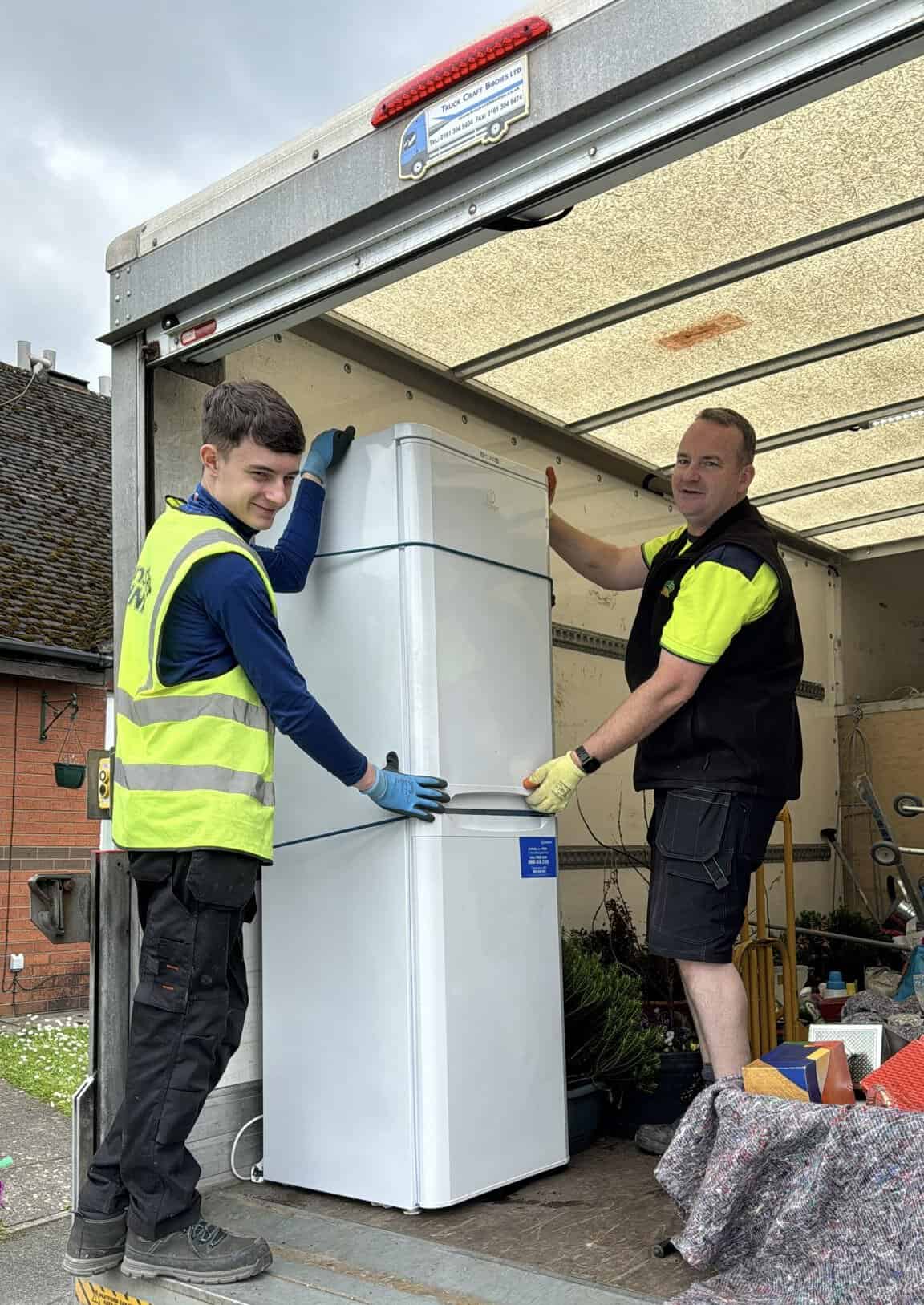
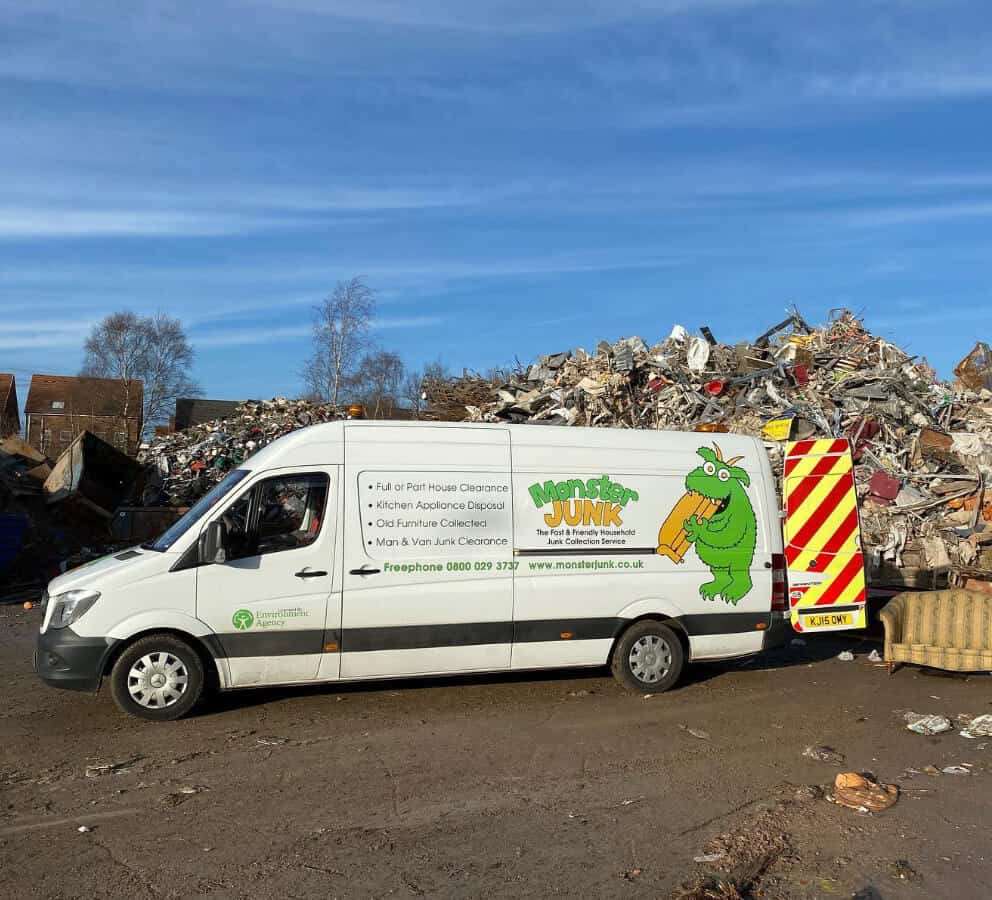
Eventually, even things we love and use every day meet their end. Domestic appliances - fridge freezers, washing machines, cookers, dishwashers, microwaves - don’t last forever, and they are all made of elements that can be re-used if we dispose of them carefully. Furniture, toys, bric-a-brac, clothing, and books all have potential for new homes or re-use of their constituent parts. To dispose of things quickly and conveniently, without compromising our principles, we need specialist junk clearance and recycling services like Monster Junk.